
How Layout Choices Shape Everyday Functionality in a Kitchen Remodel
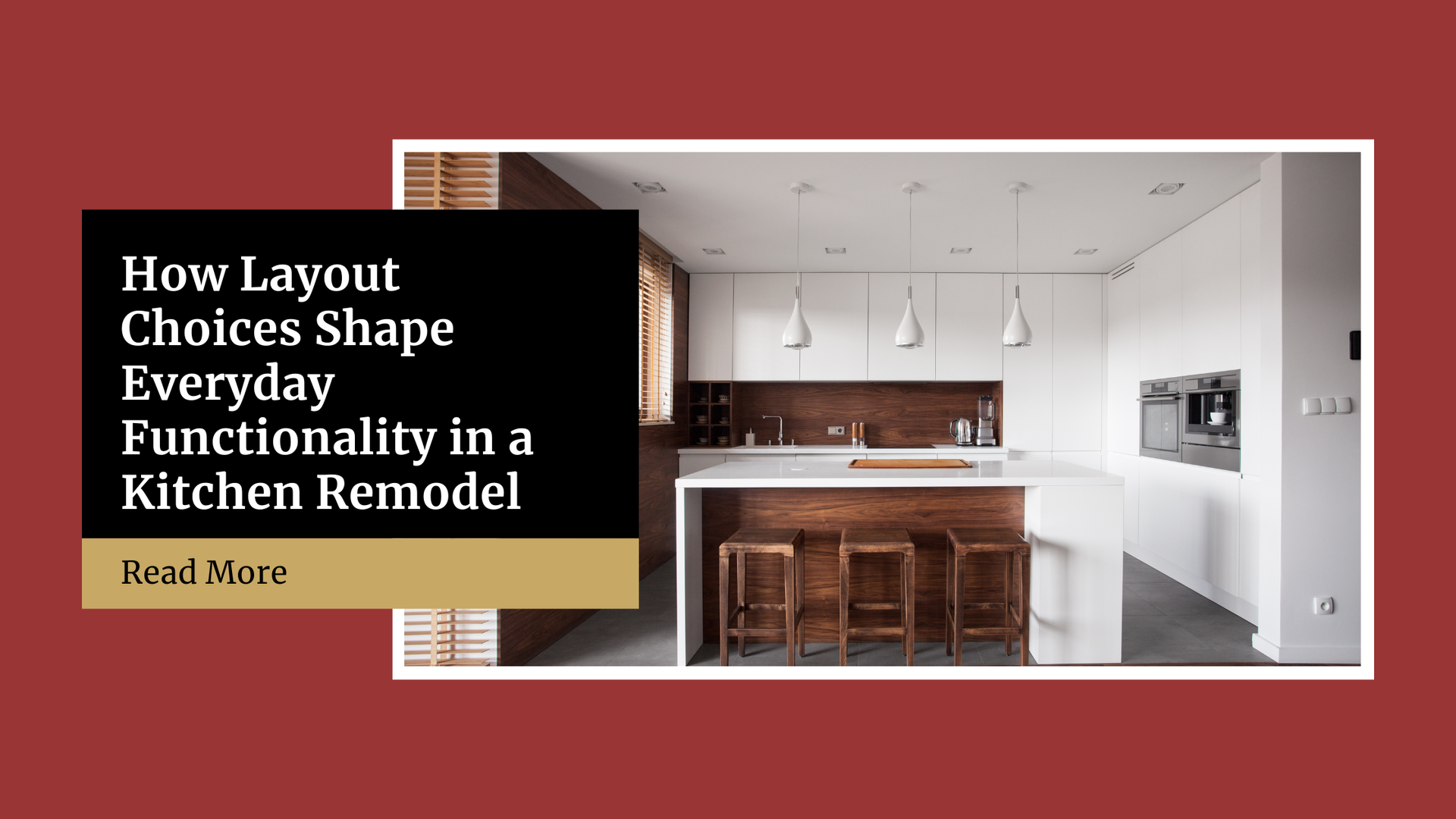
- Thoughtful kitchen layouts improve movement, task flow, and comfort, shaping how the space supports daily routines and long-term usability.
- Strategic placement of storage, appliances, and work zones reduces friction and creates a kitchen that feels intuitive during everyday use.
- Galaxy Tile Flooring combines layout insight with quality materials to help homeowners achieve kitchens that function beautifully and age well.
A kitchen remodel often begins with visual inspiration, yet the real success of the space depends on how well the layout supports daily routines. Layout decisions influence how meals are prepared, how people move through the room, how storage functions, and how comfortable the kitchen feels during busy moments. When layout planning receives thoughtful attention, the kitchen becomes easier to use, safer, and better suited to long-term living.
This guide explores how layout choices shape everyday functionality during a
kitchen remodel. Rather than focusing on trends, it looks closely at practical considerations that affect real use. From movement patterns to storage access, each section offers detailed insights homeowners can apply when planning a kitchen that supports both form and function.
Understanding How Movement Shapes Kitchen Efficiency
Every kitchen has natural movement patterns created by cooking, cleaning, and gathering. A layout that respects these patterns reduces friction during daily tasks. When movement flows easily, preparation feels calmer, and cleanup becomes less demanding.
One of the most important considerations involves how people enter and exit the kitchen. A layout that places major work zones too close to walkways often leads to interruptions. For example, when the refrigerator door opens into a main path, simple actions can block traffic. Adjusting the placement of appliances to keep pathways open helps maintain steady movement.
Work zones should connect logically. Moving from food storage to preparation to cooking should feel intuitive. When these areas sit too far apart, unnecessary steps accumulate, which can turn simple tasks into tiring routines. Thoughtful spacing allows tasks to flow naturally, reducing physical strain and saving time during everyday use.
The Role of Work Zones in Daily Cooking Tasks
Kitchen layouts function best when work zones are clearly defined yet closely connected. Each zone serves a purpose, and how these zones interact shapes how comfortable the kitchen feels during real use.
The preparation zone requires generous counter space, good lighting, and nearby access to utensils and ingredients. When prep space feels cramped or disconnected from storage, cooking becomes frustrating. A layout that places preparation surfaces near both the sink and refrigerator supports smoother meal assembly.
The cooking zone centers on the range or cooktop and should allow enough clearance for safe movement. Crowding this area with walkways or storage doors can create safety concerns. A layout that respects clearances improves comfort while reducing risks associated with heat and hot cookware.
Cleaning zones benefit from proximity to storage. Placing dish storage near the dishwasher allows faster unloading and keeps traffic contained. When layout choices ignore these relationships, everyday chores take longer and feel less efficient.
Countertop Placement and Its Effect on Workflow
Countertops do more than support appliances. Their placement determines how tasks unfold throughout the day. A well-planned countertop layout provides landing space where it matters most.
Landing space near appliances is essential. For instance, counters near the refrigerator provide room to set down groceries, while surfaces beside the oven offer space for hot dishes. Without adequate landing areas, users often resort to awkward movements that disrupt workflow.
Corner countertops require special consideration. Poorly planned corners can become wasted space that collects clutter. Designing corners with purposeful depth or integrated storage allows counters to remain functional rather than decorative.
The height and continuity of countertops also influence comfort. Consistent counter heights support ergonomic movement, while unnecessary level changes interrupt tasks. Smooth transitions between surfaces help maintain a steady rhythm during cooking and cleaning.
Storage Layout Decisions That Affect Daily Organization
Storage placement plays a major role in how a kitchen functions. A layout that aligns storage with use patterns keeps tools within reach and reduces frustration.
Frequently used items should live close to where they are used. Placing cookware near the cooking zone or utensils near preparation areas reduces repeated movement. When storage locations feel disconnected from tasks, users compensate with inefficient habits.
Vertical storage decisions also matter. Tall cabinets can increase capacity, yet poor placement may make access difficult. A thoughtful layout balances height with reach, ensuring everyday items remain accessible without strain.
Pantry placement deserves careful planning. Locating the pantry near preparation areas supports efficient meal assembly. When the pantry sits far from where food is prepared, users often make extra trips that slow down routines.
Appliance Positioning and Everyday Comfort
Appliance placement affects how the kitchen feels during active use. Each appliance requires space to operate safely and comfortably.
Refrigerators need clear door swing space without blocking walkways. A layout that allows the door to open fully while keeping traffic flowing improves usability. Positioning the refrigerator near an entry point supports grocery unloading while keeping food storage convenient.
Dishwashers function best when placed near the sink and dish storage. This arrangement reduces lifting and carrying, making cleanup smoother. When dishwashers sit far from storage, unloading becomes unnecessarily time-consuming.
Oven and cooktop placement should consider both safety and workflow. Adequate clearance prevents crowding and allows multiple people to work without interference. Layouts that respect these factors feel calmer during meal preparation.
Island Layout Choices and Their Functional Impact
Kitchen islands often serve as the center of activity. Their layout determines whether they support or hinder daily use.
An island can provide valuable preparation space, seating, or storage when sized appropriately. Clearance around the island matters greatly. Insufficient spacing restricts movement and creates congestion during busy times.
Seating placement influences how people interact within the kitchen. Positioning seating away from active work zones keeps social interaction comfortable without interrupting tasks. A layout that blends seating and workflow thoughtfully supports both cooking and gathering.
Island storage should match the intended use. Drawers for prep tools or cabinets for cookware can enhance efficiency when placed strategically. When island storage lacks purpose, the space risks becoming underused.
Sink Placement and Its Influence on Cleaning Routines
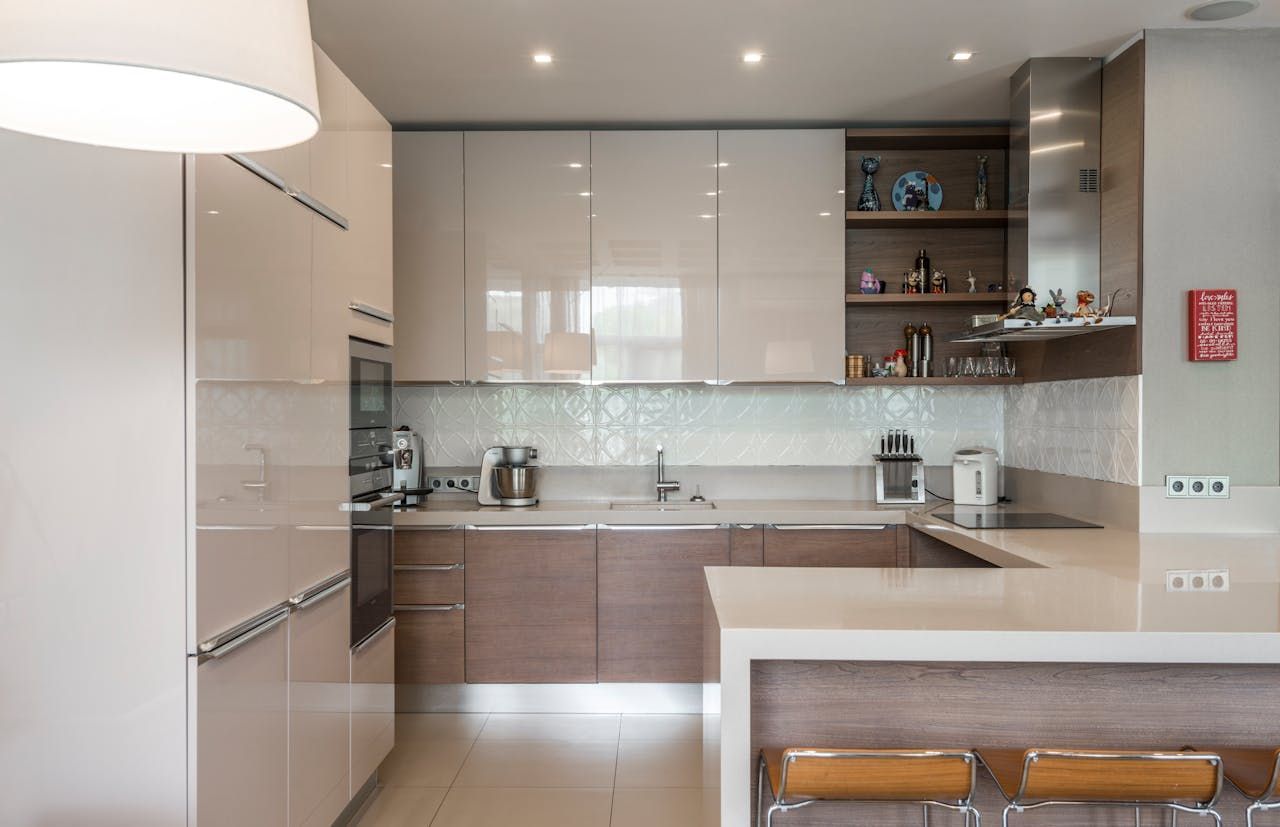
The sink often anchors the cleaning zone, making its placement critical. A layout that supports cleaning routines simplifies daily maintenance.
Positioning the sink near preparation areas allows easy rinsing and washing during cooking. This connection reduces back-and-forth movement and keeps tasks contained within a focused area.
Sink orientation also affects comfort. Facing a window or open space can make time spent cleaning feel lighter. While visual appeal matters, functional placement remains the priority.
Secondary sinks can support specific tasks such as beverage preparation or baking. Their placement should align with the intended use to avoid confusion. A well-planned layout ensures each sink contributes meaningfully to the workflow.
Lighting Layout and Its Role in Functional Design
Lighting layout shapes how effectively a kitchen supports daily tasks. Poor lighting can undermine even the best planned layout.
Task lighting over preparation areas enhances visibility and safety. When shadows fall across work surfaces, precision tasks become harder. Placing lighting directly above key zones ensures consistent illumination.
Ambient lighting supports general movement through the space. Even lighting reduces eye strain and creates a welcoming environment. A balanced lighting layout supports both function and comfort.
Accent lighting can highlight architectural features or storage areas, helping users locate items quickly. Thoughtful lighting placement reinforces the overall layout rather than competing with it.
Layout Planning for Multiple Users
Many kitchens serve multiple users at once. Layout decisions should consider how people share the space during busy periods.
Clear pathways allow people to move without collision. When walkways intersect with work zones, congestion increases. A layout that separates circulation paths from active areas improves comfort.
Work zones should allow parallel tasks. For instance, someone preparing food should move freely while another cleans or retrieves items. Thoughtful spacing supports cooperation without conflict.
Seating areas should remain distinct from primary work zones. This separation allows social interaction without interfering with cooking tasks. Layout planning that respects shared use enhances daily enjoyment.
Long-term Flexibility Through Smart Layout Choices
A kitchen layout should support changing needs over time. Flexibility ensures the space remains functional as routines evolve.
Adaptable layouts allow for changes in appliances or storage needs. For example, leaving space for future upgrades prevents major disruptions later. A layout that anticipates change offers lasting value.
Accessibility considerations also contribute to long-term usability. Wider pathways and reachable storage support users across different life stages. These choices improve comfort without sacrificing style.
A layout designed with longevity in mind reduces the need for frequent modifications. Thoughtful planning during the remodel phase leads to a kitchen that continues to serve well for years.
Material Placement and Its Interaction With Layout
Material choices interact closely with layout decisions. Flooring, cabinetry, and surfaces influence how the space functions daily.
Durable flooring placed in high-traffic zones supports long-term use. When the layout directs heavy movement through certain areas, selecting appropriate materials prevents premature wear.
Cabinet finishes and hardware placement affect ease of use. Smooth opening mechanisms and comfortable handle placement enhance daily interaction. Layout planning should consider how materials perform during frequent use.
Surface transitions should align with functional zones. Consistent materials across work areas support visual continuity and practical maintenance. A layout that integrates materials thoughtfully feels cohesive and functional.
Balancing Aesthetic Goals With Practical Layout Needs
Visual appeal often drives remodel decisions, yet layout remains the foundation of daily function. Balancing aesthetics with practicality leads to better outcomes.
A visually striking layout that ignores workflow can create frustration. For example, symmetrical designs may look appealing yet compromise storage or movement. Evaluating design choices through a functional lens ensures beauty supports use.
Open layouts can enhance connection with adjacent spaces. Careful planning ensures openness does not disrupt kitchen efficiency. Strategic zoning maintains function while preserving visual flow.
Customization allows homeowners to align the layout with their personal habits. When design reflects real routines rather than abstract ideals, the kitchen feels tailored and comfortable.
Why Professional Guidance Matters in Layout Planning
Kitchen layout planning involves complex considerations that benefit from professional insight. Experienced guidance helps translate daily needs into effective design solutions.
Professionals evaluate space constraints, building requirements, and usage patterns to create balanced layouts. Their perspective often identifies issues that homeowners may overlook during planning.
Collaboration during the design process allows adjustments before construction begins. This proactive approach reduces costly changes later. A well-guided layout plan supports both functionality and satisfaction.
Working with skilled flooring and remodeling specialists ensures layout choices align with material performance and installation requirements. This coordination enhances overall project success.
Bringing Functionality and Craftsmanship Together
A
kitchen remodel reaches its potential when layout and craftsmanship work together. Functional planning paired with quality materials creates a space that supports everyday life.
Each layout decision influences how the kitchen feels during real use. From movement to storage, thoughtful choices build a foundation for comfort and efficiency. When planning focuses on how the kitchen will be used rather than how it will look alone, the result feels intuitive and supportive.
A kitchen designed with care becomes a place where routines flow smoothly and time spent feels rewarding. Layout choices shape these experiences, making them central to a successful remodel.
At Galaxy Tile Flooring, we help homeowners create kitchens where layout and materials work together seamlessly. Our team brings thoughtful planning and skilled installation to each project, supporting daily functionality while enhancing long-term comfort and visual appeal throughout the home. Contact us today.